
Most diners walk into a restaurant thinking the only thing that matters is what ends up on their plate. But here’s a truth that kitchen veterans and front-of-house pros will back without hesitation: how you behave as a guest shapes your entire experience, long before the first course arrives.
Restaurant staff notice everything. The way you greet the host, how you handle a menu, whether you season your food before you even taste it. These small moments send loud signals. They can turn an ordinary dinner into something genuinely memorable, or they can quietly mark you as the table everyone secretly dreads.
So what separates an impressive diner from a forgettable one? Let’s dive in.
Table of Contents
1. Honor Your Reservation Like a Commitment, Not a Suggestion
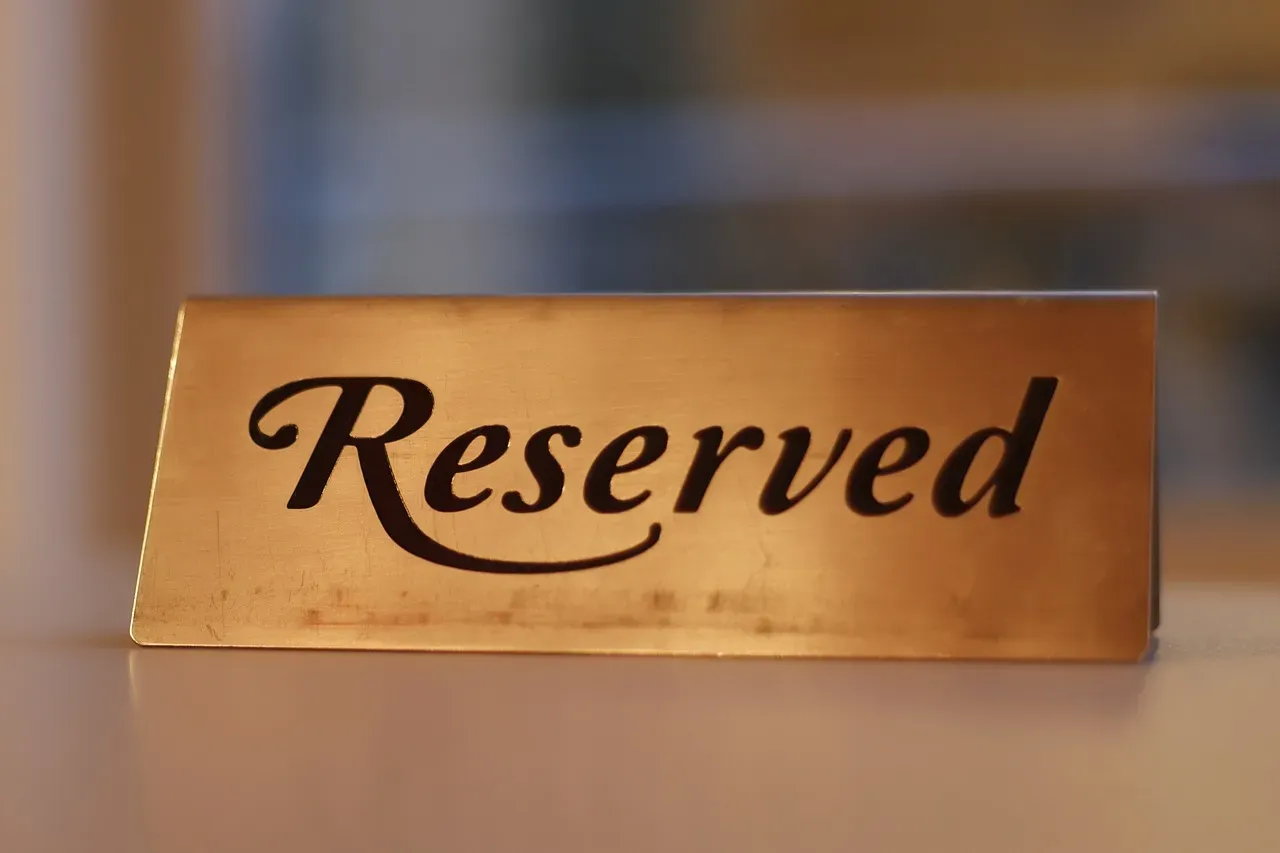
There’s a reason restaurant professionals rank the no-show problem as one of their biggest frustrations. By 2026, the issue hasn’t disappeared, but the data shows improvement – thanks largely to the widespread adoption of cancellation fees and stricter booking policies that gained traction in 2024 and 2025. These measures have proven effective at encouraging guest commitment. That tells you something: it took real financial consequences to get people to take reservations seriously. The guests who always honored them? Those are still the ones staff remember most fondly.
Most restaurants will hold your table for about fifteen minutes past your reservation time, though policies vary significantly by establishment, so calling ahead if you’re running late is always appropriate. A quick phone call costs you nothing and saves the host enormous stress. It signals that you respect the operation, not just the meal.
2. Be Honest and Clear About Allergies Before You Arrive
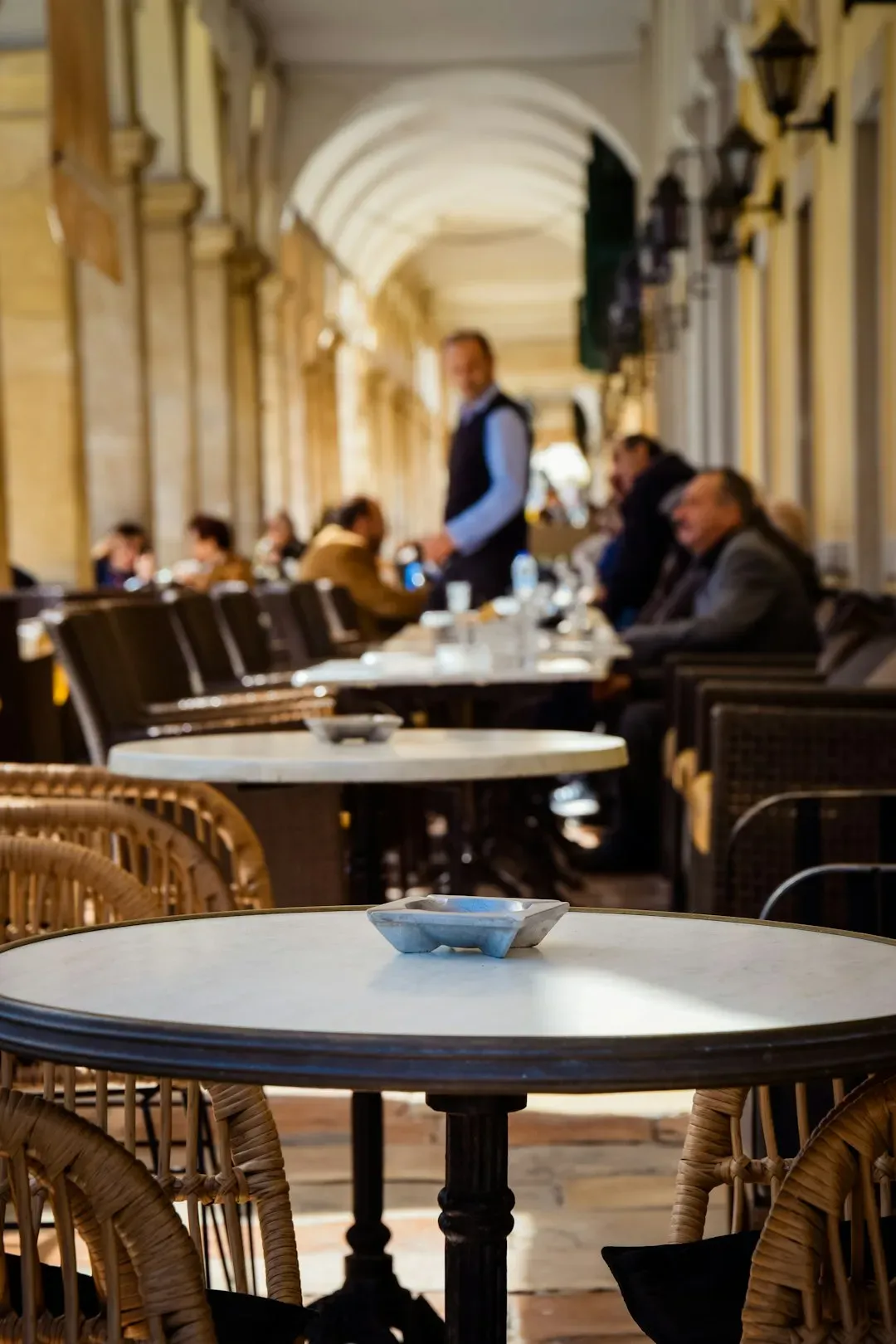
Communicating dietary restrictions is not just good manners. It’s genuinely important for safety and kitchen flow. If you have a less-common sensitivity or dietary prohibition, it’s best to call the restaurant ahead of time to ensure the kitchen can accommodate your needs, because it’s rather awkward to arrive at a restaurant fully seated only to find one can’t order a suitable meal. Chefs actually appreciate guests who communicate early. It gives the team time to prepare properly, rather than scrambling in the middle of a packed service.
The exception, of course, is if you have allergies or other health-related dietary restrictions; in that case, let your server know so that they can ensure you don’t receive anything that could harm you. Honesty here is everything. Fabricating a preference as an allergy is something kitchen staff see through almost immediately, and it wastes the goodwill that genuine medical needs deserve.
3. Never Season Your Food Before You Taste It

This one sounds simple. It is, and yet it happens constantly. Reaching for the salt shaker the moment a plate lands in front of you sends a message to every chef who spent hours developing that dish. According to dining etiquette experts, you should never season your meal before you taste it, as it shows great disrespect for the chef and also signals that you are impulsive and can’t wait to see how it tastes first. Think of it like judging a book by its cover before opening the first page.
Chefs at fine-dining restaurants worked hard to earn their positions and put a lot of thought and effort into designing and executing their signature dishes, and while you’re not required to love everything they serve you, good etiquette requires that you treat their efforts seriously. Tasting first is not just polite. It’s actually the smarter move, because most dishes are already seasoned precisely as the chef intended.
4. Respect the Menu as a Creative Work
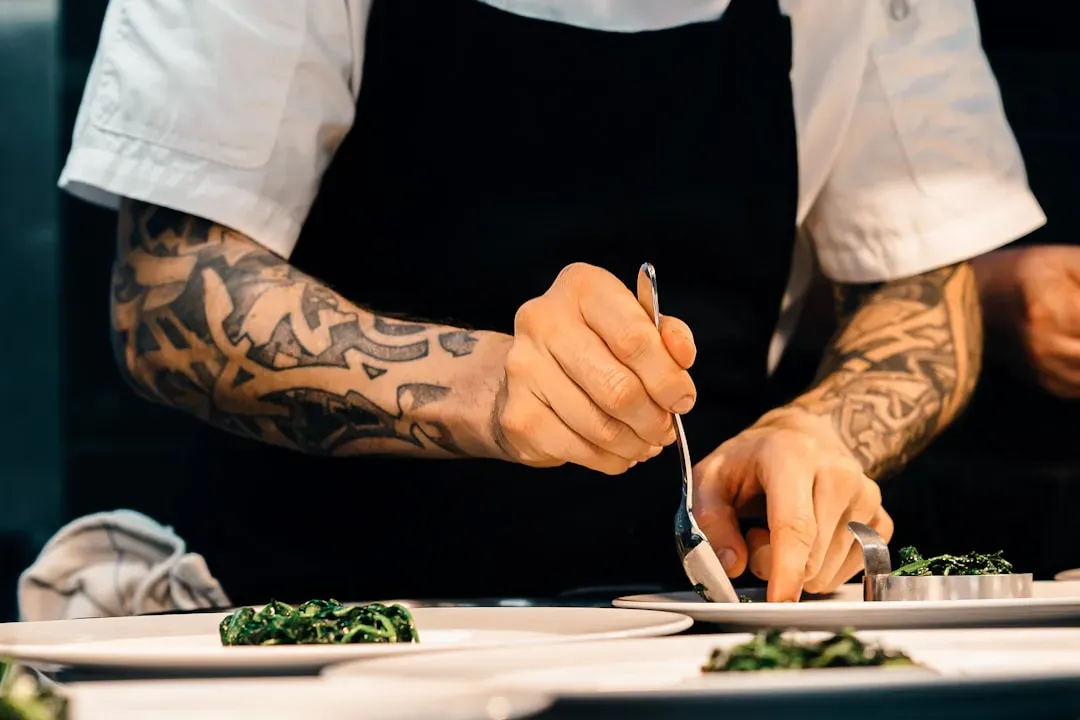
There’s a difference between communicating a genuine allergy and simply rewriting a dish because you’re not feeling adventurous tonight. Unless it is explicitly encouraged on the menu, avoid making special requests for changes to dishes, because menus in fine dining restaurants are meticulously designed, and it’s rude to request changes simply based on preference. Honestly, this applies even beyond fine dining. Every menu represents hours of recipe testing, costing, and creative thought.
Menus in fine dining restaurants are meticulously designed, and it’s rude to request changes simply based on your preference. When you order a dish as it’s written, you’re trusting the chef’s vision. That trust is noticed, appreciated, and often rewarded with the best possible version of that plate. Kitchen teams genuinely cook with more passion for tables that let them do their job.
5. Make Eye Contact and Greet Your Server Like a Human Being
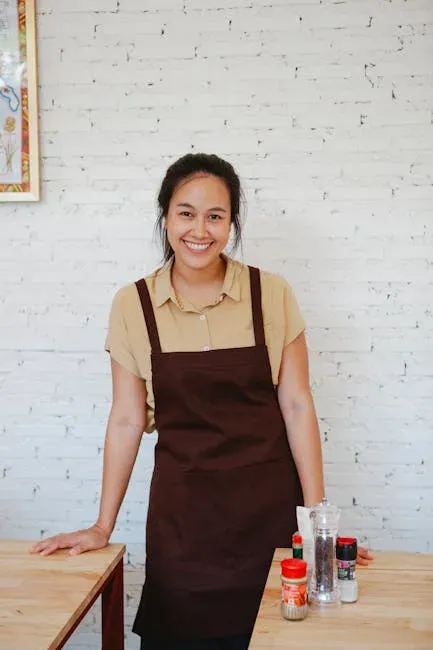
It sounds almost laughably obvious, but working in the restaurant industry is like a study in human behavior, and it sometimes seems that as soon as people walk into a restaurant or bar, they forget how to be good human beings. The staff that serves you are professionals, often highly trained ones. Treating them with genuine warmth from the first moment changes the entire energy of your table.
Guests don’t just remember what they ate, they remember how they were treated, and in a busy hospitality environment, etiquette is your superpower. That rule works both ways. Servers remember which guests made them feel respected, and those guests tend to receive more attentive, enthusiastic service throughout the night. A simple smile and a warm hello go further than most people realize.
6. Read the Pace of the Room and Don’t Rush or Stall

Every good restaurant runs on a rhythm. There’s a pace to service that is carefully managed from the host stand to the kitchen pass. As a fine dining server, you must be able to read the table and match the pace of your guests, because every guest prefers a different pace and it’s the server’s job to determine their needs through verbal clues and body language. Guests who understand and respect this rhythm make the whole machine run better.
You don’t need to rush through dinner, take your time and enjoy it, but if you’ve been sitting for over three hours and haven’t ordered anything in a while, it’s time to give up the table. The sweet spot is somewhere in the middle. Enjoy the experience fully, but remain aware that a functioning restaurant has many guests to serve and tables to turn. Staff genuinely notice guests who are present, engaged, and not treating the dining room like a personal living room.
7. Tip Generously and Without Hesitation

Let’s be real. In the U.S. restaurant industry, tipping is not optional in any practical sense. Servers and bartenders receive a federal minimum direct wage of just $2.13 per hour, supplemented by tips to meet the overall federal minimum wage. The math is stark, and guests who understand this reality tip accordingly. For full-service dining, tipping remains essential, ranging from twenty to twenty-five percent for excellent service, twenty percent for good service, and fifteen percent for satisfactory service.
Always tip a minimum of twenty percent on the total amount of the check, including tax; if service was great, tip more, because a huge amount of work goes into creating a memorable experience and your tip should reflect that. Generous tipping is also noticed by kitchen staff. Many restaurants now realize that the kitchen’s contribution is just as vital to the guest experience as the server’s, and tip pooling fosters team spirit as everyone works toward a common goal: impressing the guest.
8. Actually Engage With the Server’s Knowledge
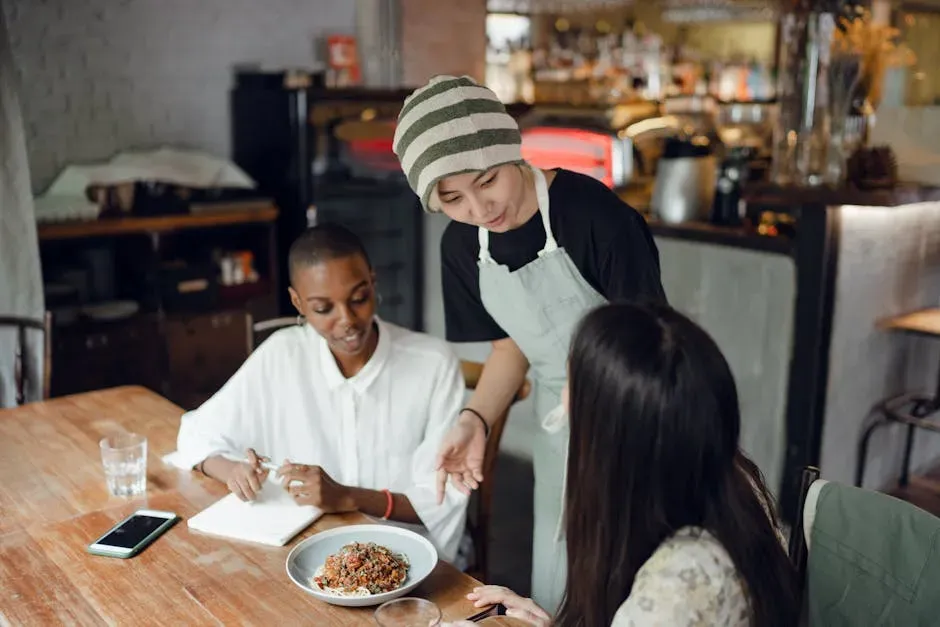
A well-trained server is a walking encyclopedia of the menu. They know what’s fresh today, which dish the chef is most proud of, and which wine cuts through the richness of a particular sauce. Learning why the chef makes certain choices, the story behind the concept, the local vendors the restaurant uses are gateways to a wealth of more knowledge in general, and it helps to learn the latest terminology to make for a better experience.
When you ask a genuine question and actually listen to the answer, you create a small but meaningful connection. Strong etiquette builds guest trust, lifts team confidence, and helps turn first-time diners into loyal regulars, and it’s also a direct route to better reviews and bigger tips. It’s a two-way street that most diners miss entirely because they’re too busy staring at their phones. Put the phone down, ask about the specials, and actually mean it.
9. Keep Your Table Tidy and Signal Clearly When You’re Done
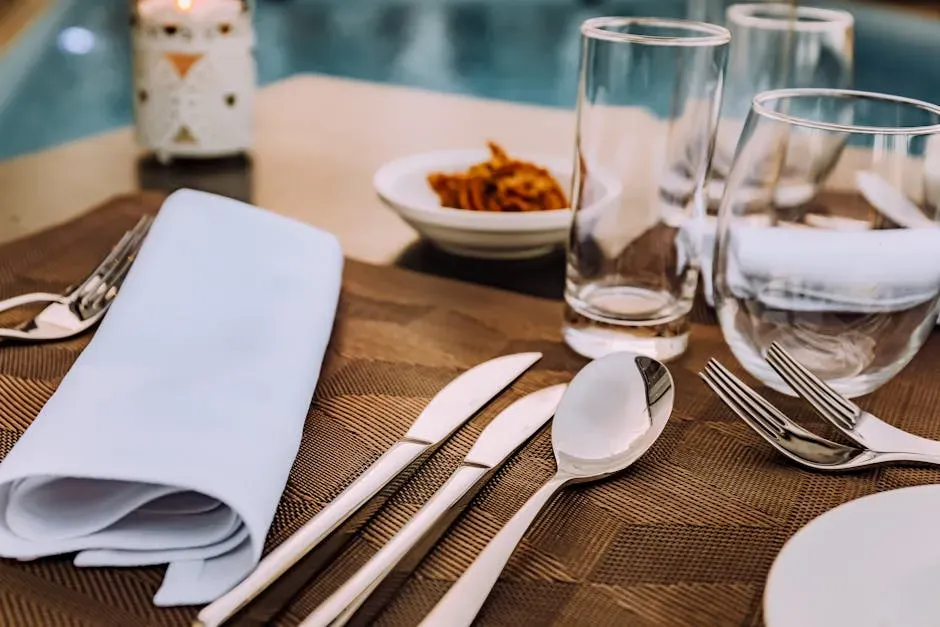
Here’s something most diners never think about: the way you manage your place setting during a meal affects how smoothly a server can do their job. Matching the pace of guests by reading their body language is essential, and for example, if all the guests have placed napkins on their laps, it typically means they’re expecting service; staff should serve courses at a pace that allows guests to enjoy their meals and clear the table of unnecessary items before serving the next course.
Placing your cutlery together on the plate when finished is a universally understood signal in professional dining. Cutlery etiquette calls for forks on the left side, while knives and spoons rest on the right. Keeping your end of the table reasonably organized allows servers to clear and reset efficiently, which in turn keeps the overall pace of your evening smooth and pleasant. Staff genuinely appreciate guests who make their physical workspace a little easier to navigate.
10. Leave With Sincerity, Not Just a Review
The most impressive thing a guest can do at the end of a meal is simple: say thank you and mean it. Happy, supported employees run smoother services and deliver better guest experiences, and guests remember good service, ambiance, and experience, not just the food. The feeling flows both ways. When a guest expresses genuine appreciation, it energizes the entire team.
It doesn’t take much to be a dream customer, and these habits will not only make your server or bartender appreciate you as a guest but will probably lead to better service in the future. You don’t need to write a lengthy review on the spot or perform gratitude for an audience. A sincere “that was one of the best meals I’ve had” delivered quietly and directly carries far more weight than a hundred anonymous stars on a rating app. The most impressive diners understand that a restaurant is run by people, and people respond to being truly seen.
Conclusion
Being a guest that genuinely impresses restaurant staff isn’t about pretending to be someone you’re not or memorizing a rigid rulebook. It’s about awareness, kindness, and a basic respect for the craft happening on the other side of those kitchen doors. Restaurant staff are frustrated by service interruptions and poor guest behavior, with research from Tork finding that nearly four in five restaurant employees agree service interruptions affect guest experience, and three out of four kitchen staff would be happier in a more organized, respectful environment.
The habits above cost nothing. They require only a small shift in how you think about a dining-out experience, from something done to you, to something created together with the people who show up every day to make it happen. Next time you sit down for a meal, try one or two of these and see what changes. What would you have guessed was the most impactful habit on this list? Tell us in the comments.