
High cholesterol is one of those silent issues that sneaks up on you. No symptoms, no warning signs – just a routine blood test that suddenly has your doctor talking about statins. The good news? What you eat every day can genuinely move the needle. Not as a magic cure, but as a real, science-backed strategy. Cardiovascular disease remains the leading cause of death worldwide, with elevated LDL cholesterol as a major risk factor – yet beyond medications, dietary interventions and functional foods offer significant cholesterol-lowering potential.
Dietary therapy is a foundational non-pharmacological strategy for lowering LDL cholesterol and reducing cardiovascular disease risk, since diet influences lipid metabolism, systemic inflammation, insulin sensitivity, and vascular health across the lifespan. So before reaching for a pill, let’s talk about what belongs on your plate. Let’s dive in.
Table of Contents
1. Oats: The Breakfast That Actually Works
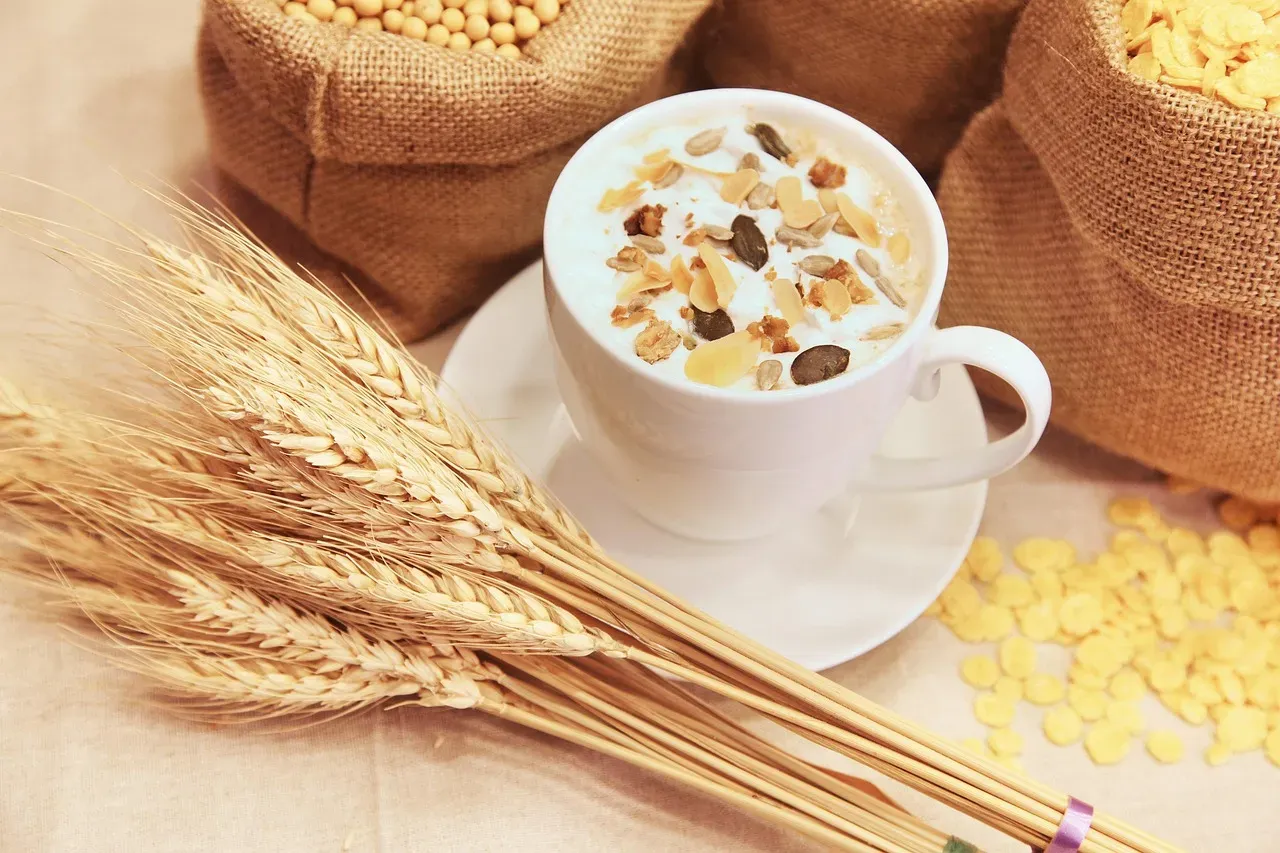
Honestly, oats might be the most well-researched cholesterol-fighting food on this entire list. They have been studied for decades, and the evidence keeps stacking up. Oatmeal contains soluble fiber, which reduces LDL cholesterol – and that soluble fiber can reduce the absorption of cholesterol into your bloodstream, with five to ten grams or more per day shown to decrease LDL levels.
Pooled estimates from a 2024 systematic review and meta-analysis showed that oat-based products may result in a meaningful reduction in LDL cholesterol and total cholesterol. The mechanism is fascinating. Oat consumption, particularly a short-term high-dose oat diet, improves metabolic health in individuals with metabolic syndrome by increasing microbially produced phenolic metabolites, leading to lower blood cholesterol levels.
A short-term oat-based diet appears to be surprisingly effective at reducing cholesterol levels, as indicated by a trial from the University of Bonn published in the journal Nature Communications. What makes this finding particularly striking is just how fast it worked. People with metabolic syndrome who followed a short, calorie-reduced oat-based plan saw their harmful LDL cholesterol drop by ten percent, along with modest weight loss and lower blood pressure.
Even after six weeks, this effect remained stable, and the diet apparently influenced the composition of microorganisms in the gut, with metabolic products produced by the microbiome appearing to contribute significantly to the positive effects of oats. A bowl of oatmeal at breakfast is about as practical as it gets.
2. Fatty Fish: Omega-3s With Real Cardiovascular Muscle
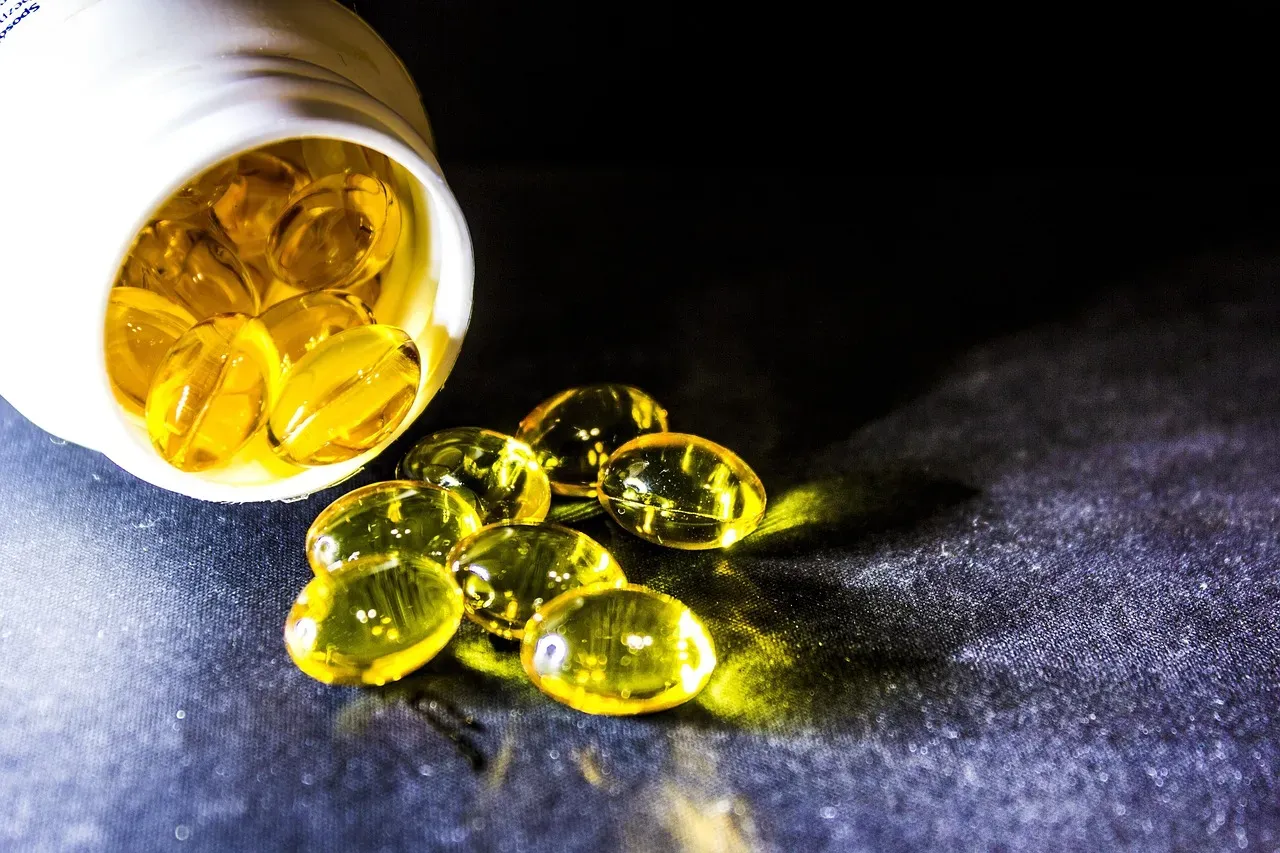
Think of omega-3 fatty acids as your cardiovascular system’s maintenance crew. They do not rebuild what is broken, but they help keep the walls from crumbling in the first place. Fatty fish has high levels of omega-3 fatty acids, which can reduce triglycerides – a type of fat found in blood – and may also help lower blood pressure and reduce the risk of developing blood clots.
Omega-3 fatty acids may help lower triglycerides and increase HDL, the good cholesterol. Because of those acids’ other heart benefits, the American Heart Association recommends eating at least two servings of fish per week. That is a pretty clear endorsement. Certain fish including salmon, mackerel, sardines, and trout are important to include in your diet because they contain omega-3 fatty acids.
Compared to no-fish consumption, eating salmon significantly decreased triglycerides by fifteen percent and LDL cholesterol by seven percent, while significantly increasing HDL cholesterol by five percent. Those are numbers worth paying attention to. These special fats can lower LDL and triglyceride levels, help control blood pressure, and may lower the risk of heart rhythm problems – and if you have heart disease, they may lower your risk of heart attack.
3. Nuts: A Small Handful With a Big Impact
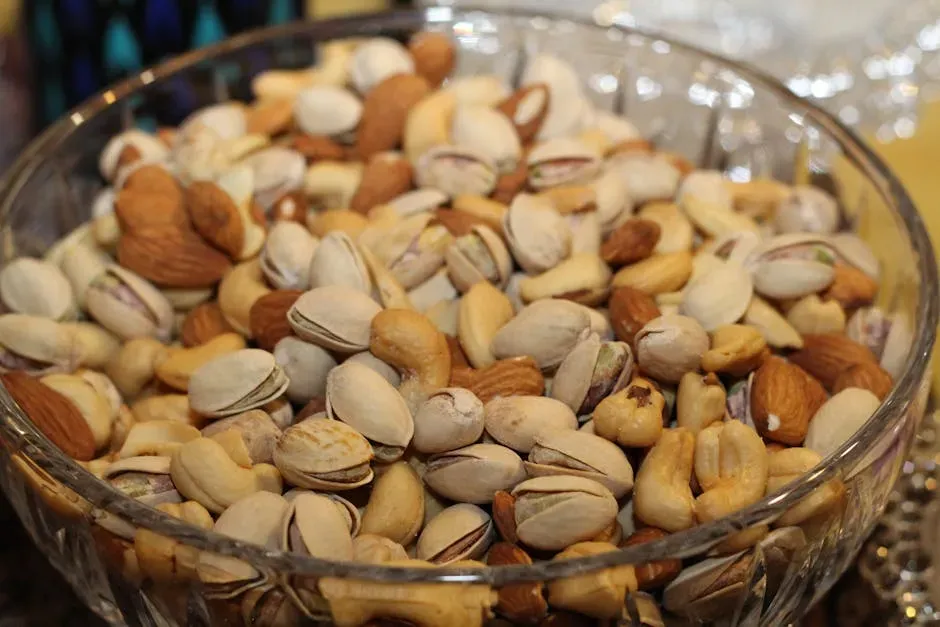
Here is the thing about nuts: people often skip them because of the calories. That is a mistake. A consistent beneficial effect of most nuts, including walnuts, almonds, cashews, peanuts, and pistachios, has been reported across multiple meta-analyses in decreasing total cholesterol and LDL cholesterol. We are talking across the board, not just one or two types.
A landmark comprehensive meta-analysis published in 2024 and 2025 confirmed the effect. Nut intake reduced total cholesterol, LDL cholesterol, and triglycerides, without affecting HDL cholesterol, with findings supporting recommending nuts for benefiting the lipid profile in adults. The study examined over 8,000 adults across more than 100 randomized trials.
Like all plant foods, nuts are cholesterol-free, but their fat fraction contains plant sterols or phytosterols, ranging from roughly 72 to 272 mg per 100 grams, with pistachios, almonds, and walnuts containing the most. These compounds interfere with cholesterol absorption in the intestinal lumen and thus help lower blood cholesterol.
Walnuts, in particular, have been the star of some impressively long trials. In a two-year walnut study, the walnut diet significantly decreased total cholesterol, LDL cholesterol, and intermediate-density lipoprotein cholesterol, corresponding to reductions of roughly four to seventeen percent. A small daily handful – roughly one ounce – is all it takes.
4. Avocados: The Creamy, Heart-Healthy Fruit
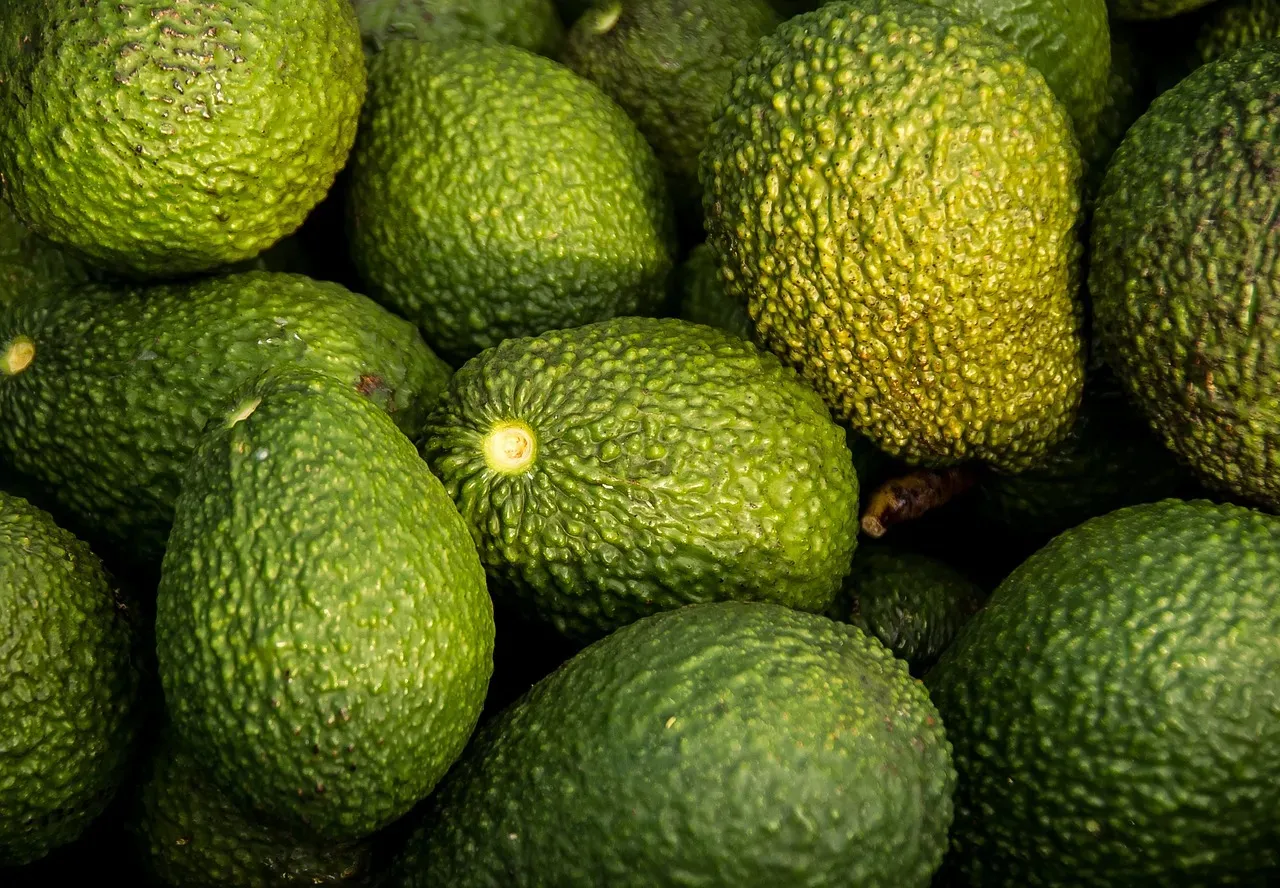
Avocados have gone from trendy brunch food to legitimate cardiovascular ally. They are a great source of monounsaturated fats, which can help raise good HDL cholesterol while lowering LDL cholesterol. It is a double win in a single food, which is rare.
A 2025 systematic review and meta-analysis confirmed these benefits with impressive numbers. Results showed a significant reduction in total cholesterol and LDL cholesterol in avocado groups compared to controls. The research also revealed something interesting about dosage. A nonlinear dose-response analysis found an inverse association between higher avocado intake of more than 250 grams per day and LDL levels, as well as between longer consumption beyond 23 weeks and total cholesterol reduction.
Research suggests that the fiber from avocados can improve HDL cholesterol levels and the quality of LDL cholesterol, and adding two servings of avocado per week to a heart-healthy diet can lower your risk of heart disease. Slice it on whole grain toast, toss it in a salad, or make guacamole. The delivery method barely matters.
5. Beans and Legumes: Underrated and Underused
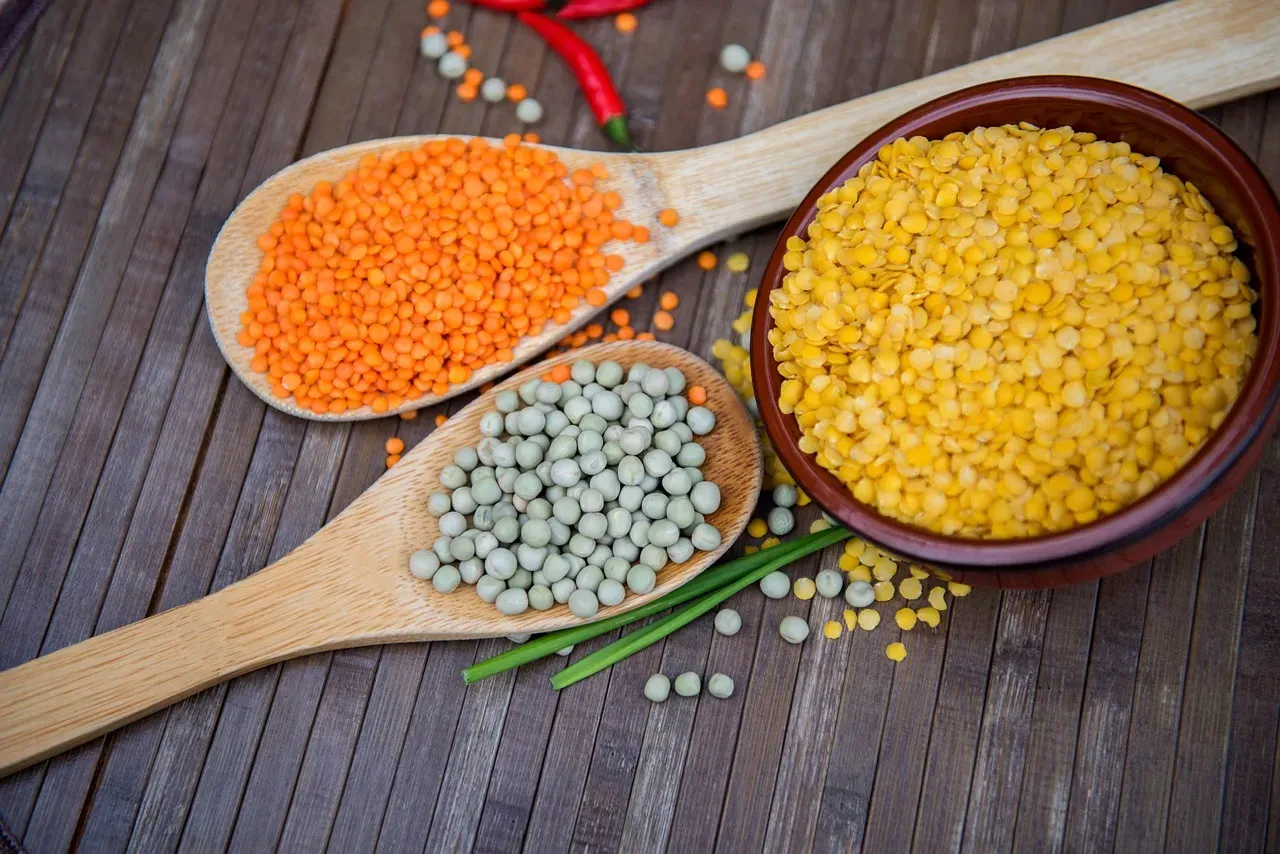
Let’s be real – beans do not get nearly enough credit. They are cheap, filling, versatile, and backed by solid science. Beans, lentils, peas, and chickpeas are plant-based sources of protein that are high in fiber, and they can help lower bad cholesterol and fight heart disease whether enjoyed in a soup, as a side dish, or as an ingredient in a meatless burger.
The dietary portfolio approach combines several evidence-based cholesterol-lowering components, including at least ten grams per day of viscous fiber from sources such as oats, barley, and legumes, alongside roughly 45 grams per day of nuts and about 50 grams per day of plant protein with an emphasis on soy protein. Legumes play a key structural role in that framework. Beans, lentils, and chickpeas are fantastic sources of soluble fiber, are also low in fat and packed with protein, and including beans in meals can enhance heart health and provide lasting energy.
A study of nearly 15,000 adults published in a 2025 issue of BMC Medicine found that those with greater adherence to the portfolio diet – which centers heavily on legumes and plant proteins – had a sixteen percent lower risk of dying from cardiovascular disease and a fourteen percent reduced risk of dying prematurely from any cause over a 22-year period. That is not a small number for something as simple as adding chickpeas to your lunch.
6. Extra Virgin Olive Oil: The Mediterranean Secret
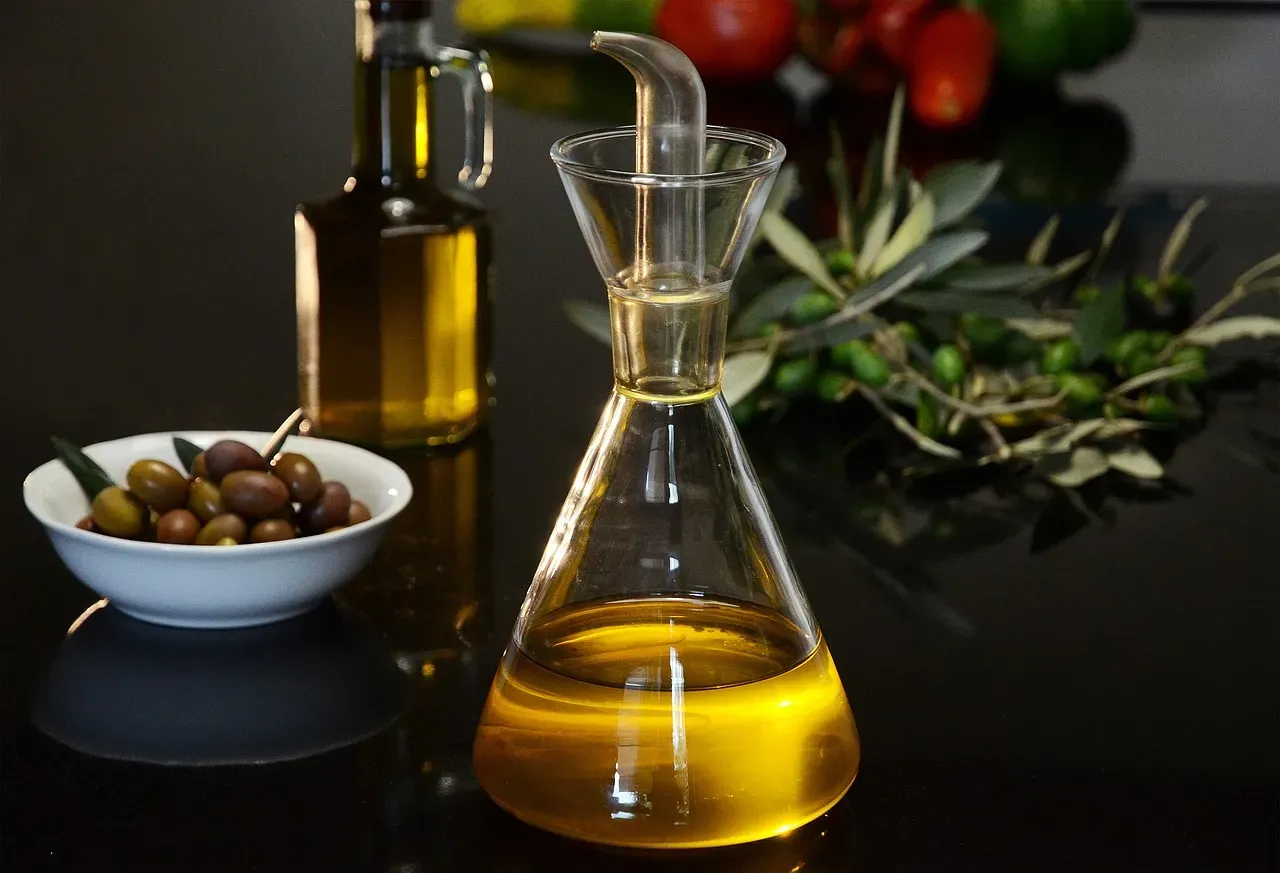
Olive oil is the cornerstone of one of the world’s most heart-protective eating patterns. Rich in monounsaturated fats and antioxidants, extra virgin olive oil is the only oil that has been shown to help raise HDL cholesterol and lower LDL cholesterol. That is a meaningful distinction when you compare it with butter or lard.
Data from feeding trials and cohort studies show that saturated fats, especially butter, raise LDL cholesterol levels compared with olive oil, and that higher butter versus liquid plant oil intake is associated with higher risks of death from all causes and cardiovascular disease. The evidence for switching is genuinely compelling. Using olive oil as your primary cooking oil can help improve cholesterol levels, as it is rich in monounsaturated fats and antioxidants that can help lower LDL cholesterol while increasing HDL cholesterol.
You can use olive oil in place of other fats in your diet – sautéing vegetables, adding it to a marinade, mixing with vinegar as a salad dressing, or using it as a substitute for butter when basting meat. Extra virgin olive oil also reduces the risk of heart attacks. A simple swap with enormous implications.
7. Leafy Green Vegetables: More Than Just Fiber
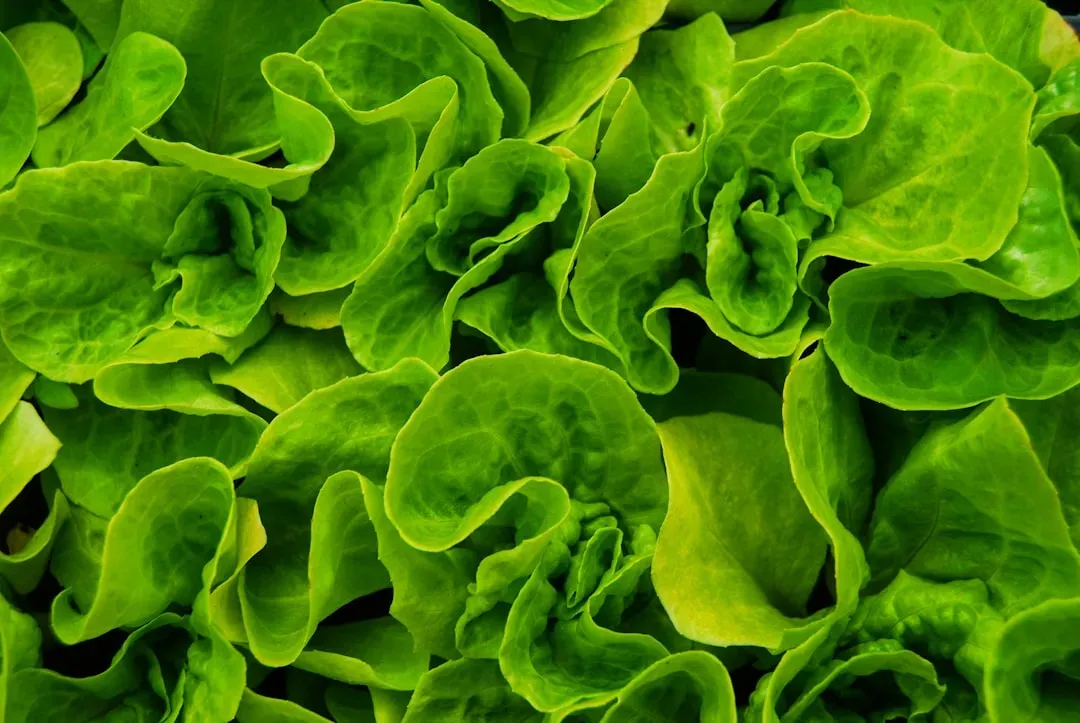
Greens are not glamorous. Nobody gets excited about a bowl of kale the way they might about a piece of salmon or a handful of walnuts. Still, the science is clear. Whether it is broccoli, spinach, kale, or Brussels sprouts, these fiber-rich vegetables lower cholesterol and help keep your heart healthy, and they also contain antioxidants that can help your body fight against cancer and diabetes.
Soluble fiber helps block some cholesterol from being absorbed into your bloodstream, and it can be found in foods such as oatmeal, kidney beans, Brussels sprouts, apples, and pears. Leafy greens fit squarely into this category. The 2025 American Association of Clinical Endocrinology consensus statement recommends dietary patterns such as the Mediterranean diet, DASH, and healthful plant-based diets to reduce cardiovascular disease risk – all of which are built around generous servings of vegetables.
Unprocessed, fiber-rich and nutrient-rich plant foods featured in vegetarian, whole-food plant-based, Mediterranean, and DASH diets are optimal for cardiovascular health, cancer reduction, and longevity. Greens are the foundation of every one of those diets. Pile them onto your plate without hesitation.
8. Dark Chocolate: The Indulgence That Actually Earns Its Place

I know it sounds crazy, but this one is real. Dark chocolate, specifically the kind with high cocoa content, has genuine cardiovascular credentials. Dark chocolate, particularly those with at least 70 percent cocoa content, contains flavonoids that can help lower cholesterol levels, and consuming small amounts can improve heart health.
When you are craving something sweet, reaching for dark chocolate with a cocoa content of at least 70 percent offers rich chocolate flavor while giving your body a way to lower LDL cholesterol and reduce inflammation. The key word in all of this is moderation. Moderation is key – aim for about one ounce a few times a week to reap the benefits without overindulging.
Think of dark chocolate less like a dessert and more like a finishing touch on a well-constructed heart-healthy diet. It works best alongside the other seven foods on this list, not as a standalone solution. Beyond medications, dietary interventions and functional foods offer significant cholesterol-lowering potential – and dark chocolate is one more tool in that arsenal, perhaps the most enjoyable one.
Conclusion: Your Shopping Cart Is More Powerful Than You Think
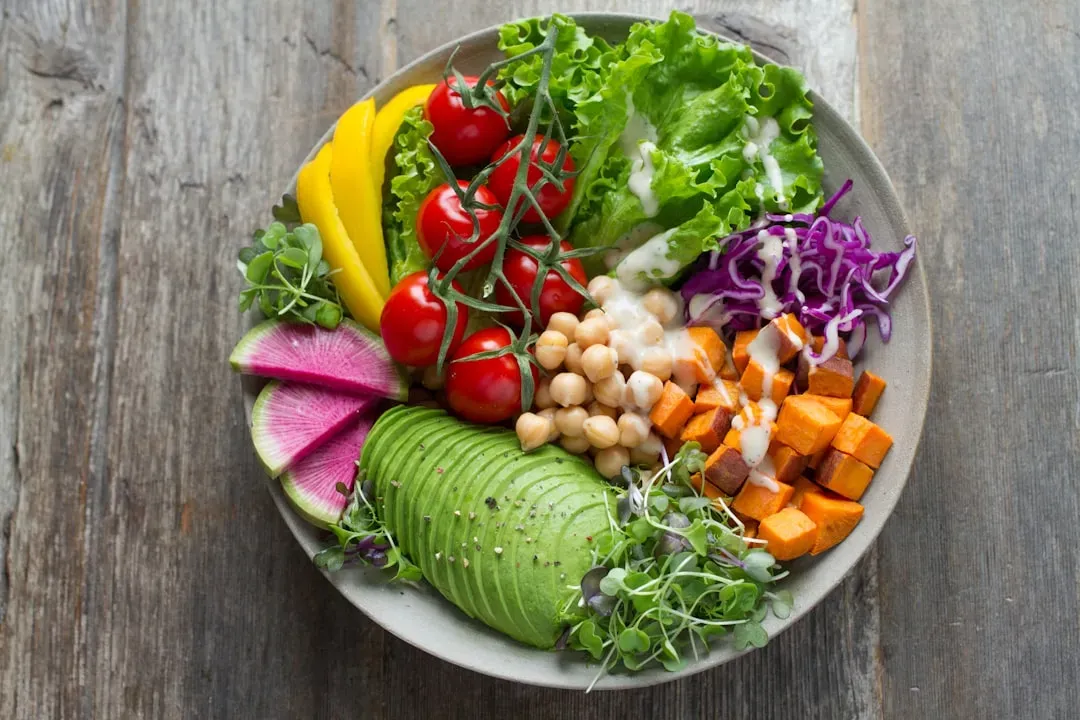
The foods on this list are not exotic supplements or expensive superfoods. They are oats, fish, nuts, avocados, beans, olive oil, greens, and a square of good chocolate. Ordinary ingredients with extraordinary research behind them. Clinical guidelines recommend lifestyle changes as a first-line strategy in managing elevated cholesterol, which can reduce LDL cholesterol by roughly ten to twenty percent in many individuals.
Contemporary nutrition guidance has shifted away from an isolated focus on dietary cholesterol toward an emphasis on overall dietary patterns, fat quality, fiber intake, and food sources – with accumulating evidence demonstrating that saturated fat intake and the degree of food processing exert a greater influence on LDL levels and cardiovascular outcomes. That means the whole picture matters, not just one single food.
The encouraging reality is that small, consistent changes to what you eat can produce results that show up on your next blood test. Start with one or two items from this list. Build from there. What would you add to your plate first?