
There’s a strange kind of stress that sneaks up on you at the checkout line. You’ve been careful, you’ve compared prices, you skipped the fancy cheese – and the total still makes your jaw drop a little. That’s the reality for millions of American families right now. Grocery budgets have been under pressure for years, and even as inflation cools from its pandemic-era peaks, the prices on supermarket shelves refuse to budge back down. Food prices are currently about 30% higher than they were in 2019, and most households feel that gap every single week. So how are families actually coping? From clever swaps to total lifestyle shifts, the adjustments happening at kitchen tables across America are more creative and practical than you might expect. Let’s dive in.
Table of Contents
Cooking at Home Instead of Dining Out

This one might seem obvious, but the scale of the shift is striking. A Harris Poll survey conducted at the end of 2024 found that roughly four in five U.S. consumers report that saving money is a bigger priority in 2025 than it has been in other years, and a similar share say saving money on food is a top priority. Families are responding by rethinking that Friday takeout habit.
The Vericast 2024 Restaurant TrendWatch Survey found that more than two thirds of respondents are trading down from restaurant meals to food from grocery stores to avoid rising costs, while restaurant food prices rose far more steeply than grocery prices in the same period. That’s a meaningful gap in the math, and households are starting to notice it.
A recent survey revealed that nearly nine in ten Americans believe cooking at home is one of the best ways to save money on food. For context, a simple pasta dish at a fast-casual restaurant costs $10 to $15 per plate, adding up to $40 to $60 for a family of four. Buying the same ingredients at the grocery store could cost less than $10. That difference adds up to real money over the course of a year.
Switching to Store Brands and Generic Products
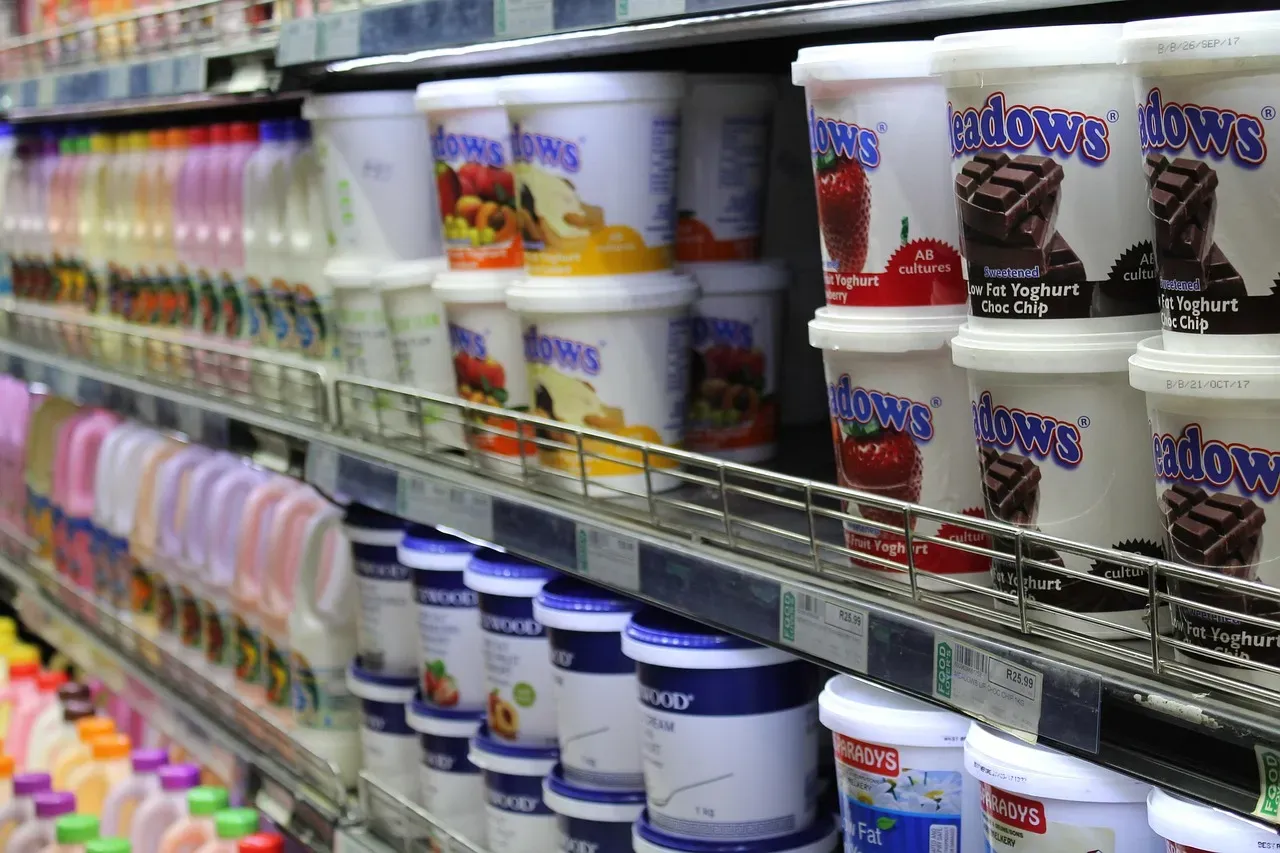
Here’s the thing – store brands have had something of a cultural moment. For years, grabbing the generic cereal box felt like an admission of financial defeat. Not anymore. Store brands used to be the “if I have to” option, but in 2026, retailers like Aldi, Trader Joe’s, and Costco are pouring money into higher-quality ingredients and better packaging for their private labels.
Comparing unit prices and switching to store brands can save shoppers between roughly a fifth and two fifths of their spending on everyday items. That’s not a trivial number. Think of it like this: if your weekly grocery bill runs $250, shaving even a fifth off through smarter brand choices puts around $50 back in your pocket, every single week.
Store brands such as Great Value are frequently mentioned by shoppers as a replacement for name brands, with many also turning to discount sections or bulk purchases. Shoppers are increasingly prioritizing core items needed for meals and cutting out luxuries or new product experiments. It’s practical, it’s working, and honestly, most families admit they can barely taste the difference.
Embracing Meal Planning and Strategic Shopping Lists

Consumers made substantial changes to their grocery shopping in 2025, largely driven by economic pressures, according to the December Consumer Food Insights Report from Purdue University’s Center for Food Demand Analysis and Sustainability, which surveyed 1,200 consumers across the U.S. One of the most consistent themes? Planning ahead before ever walking through the store’s doors.
One of the most effective ways to control grocery expenses is through meticulous meal planning. By outlining meals for the week, shoppers can create a focused shopping list that curbs impulse purchases and ensures they buy only what they need, while also taking advantage of sales and seasonal produce. It’s a small habit that quietly compounds into serious savings over time. Think of it like compound interest, but for groceries.
The majority of respondents, roughly four in five, modified their shopping behaviors in 2025, according to Purdue’s survey lead author. Higher overall food prices primarily affected shopping changes, cited by more than half of consumers surveyed. Meal planning removes the decision fatigue at the store and keeps impulse buys off the belt at checkout.
Buying in Bulk to Cut Per-Unit Costs
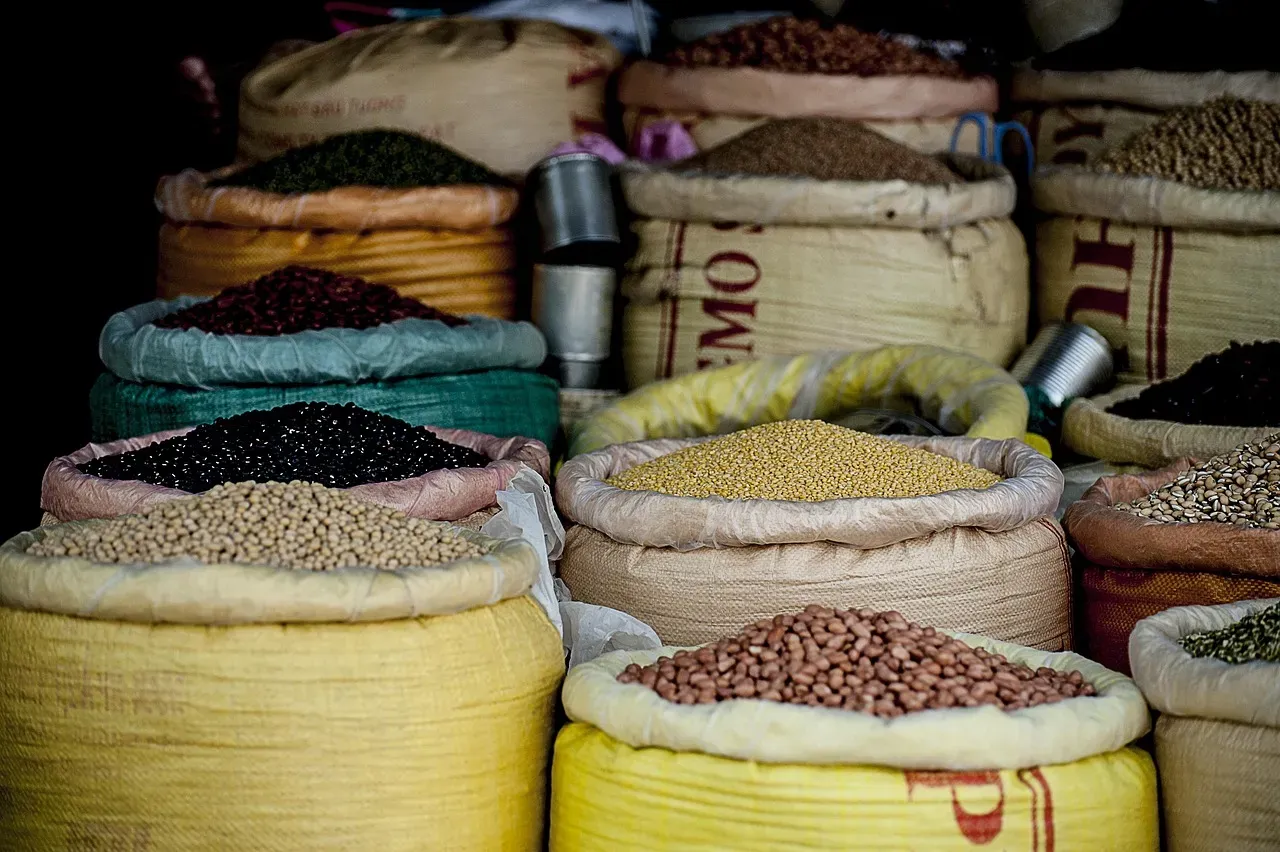
Buying in bulk used to feel like a move reserved for large families with a basement pantry. That thinking has changed. Warehouse clubs like Costco, Sam’s Club, and BJ’s make the most sense for families spending a significant amount monthly on groceries and household staples. The membership pays for itself fairly quickly when you’re feeding several people.
Batch cooking isn’t just a time-saver – it’s also a budget-friendly way to minimize waste and make groceries stretch further, with experts suggesting setting aside one dedicated day per month specifically for this purpose. Pair that with buying proteins in bulk and freezing them, and you’ve turned your freezer into a genuine financial tool.
Bulk buys particularly enrich larger families, though dietary needs can add a meaningful premium to the total cost. Still, for non-perishable staples like pasta, rice, canned goods, and cooking oils, the cost-per-unit advantage of buying larger quantities is hard to argue with. Focusing on purchasing non-perishable staples like rice, pasta, beans, and spices in bulk pays off, and buying meat in bulk and freezing portions for later use offers additional savings.
Shopping at Discount and Multiple Stores
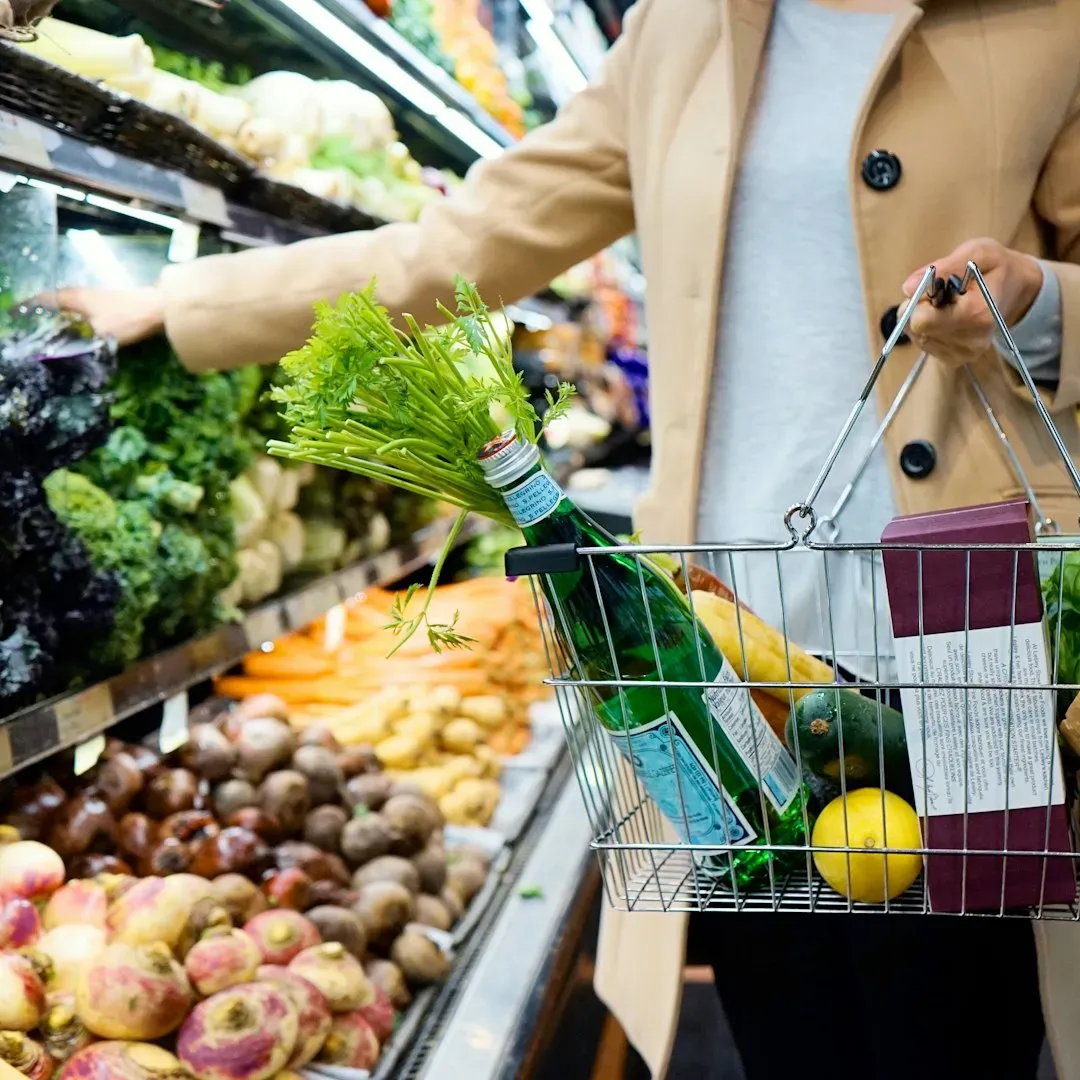
Half of grocery shoppers now visit two different stores each month, and a quarter visit three or more – because consumers are shopping around to stretch every dollar. It sounds like extra effort, but families say the savings justify the extra stop. Honestly, if one store is reliably cheaper on eggs and another has better deals on meat, doing both just makes sense.
An overwhelming three quarters of respondents said the primary reason for choosing one store over another is simply that it offers the best prices. This explains why more than a third of respondents switched to dollar or discount stores in 2024, with the vast majority citing lower prices as their main reason.
Discounts and deals reign supreme for shoppers, with nearly two thirds shopping during sales and more than half using coupons to save money. Store loyalty apps have made digital couponing far easier than the old newspaper-clipping method, and many stores now offer digital coupons through their apps or websites, while cashback apps provide rebates on specific products, adding another layer of savings over time.
Reducing Food Waste to Save More

Here’s a number that tends to surprise people. The average U.S. household throws away around $1,500 worth of food per year – roughly $125 a month. That’s money already spent, just not eaten. Cutting food waste is one of the most overlooked ways to shrink a grocery budget without changing what you buy.
Think about that for a second. A family could be doing everything right – buying generics, clipping coupons, skipping restaurants – and still leaking more than a hundred dollars every month through wilted lettuce and forgotten leftovers. The EPA estimates the average person wastes around $728 worth of food per year that they buy but never eat. That’s a serious hidden expense most families don’t account for when they budget.
Freezing single-serving leftovers is a practical strategy to avoid wasting food that a family may not be in the mood to eat, while also ensuring ready-to-reheat lunch or dinner options are always on hand. Families who adopt this kind of “use it up” mindset, planning meals around what’s already in the fridge before buying more, report that their grocery bills drop noticeably within a few weeks.
Rethinking Protein Choices and Shifting Diets

A recent report found that vegetarian households save an average of $130 per month compared to households following unrestricted diets. That’s a striking figure, and it’s driving more families to consciously add meat-free nights to their weekly routine. It doesn’t mean going fully vegetarian. Think of it more like swapping in a few cheaper proteins every week and letting the savings quietly stack up.
Making small adjustments to protein purchases, such as opting out of traditional cuts like steak and chicken in favor of cheaper options like canned fish, tofu, or lentils, offers real savings. Switching from name-brand products to store-brand is another simple way to save on nearly identical products. These are not dramatic sacrifices. They’re small pivots that, combined, make a real dent in the monthly food bill.
Many families have shifted toward cheaper, less healthy options such as more processed or shelf-stable foods, which is a trade-off that raises longer-term health concerns. The more sustainable approach seems to be leaning into plant-based proteins and legumes, which are genuinely nutritious and genuinely affordable. A survey found that nearly half of consumers in 2024 reported cooking from scratch or with pre-prepared foods in an effort to save money, up from a smaller share who said the same the previous year.
Conclusion
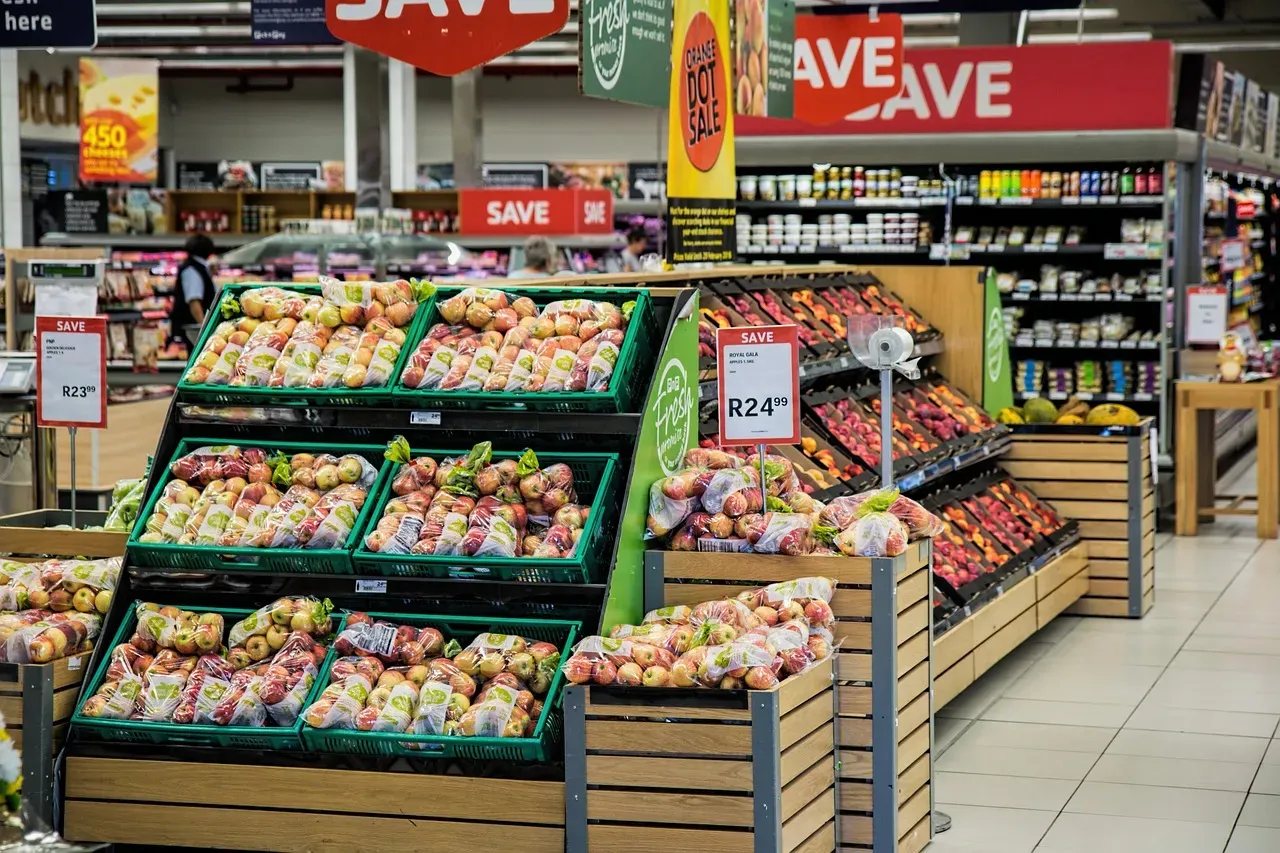
Food prices rose by around two to three percent annually in both 2024 and 2025, slower than they had increased during the preceding years, which is technically good news. Yet the cumulative effect of years of increases means families are still paying far more than they were just five years ago. Food economists expect prices to stabilize or rise slightly, not roll back to pre-2020 levels, with the USDA projecting another two to three percent increase in food-at-home prices.
The seven adjustments outlined here are not just individual tips. They represent a broader shift in how American households are approaching food, budgeting, and even daily life. Some changes are clearly temporary. Only about one in twenty respondents expect to continue their 2025 shopping changes into 2026, suggesting most view their adjustments as temporary responses rather than permanent shifts in behavior.
Still, some habits – like buying generics, reducing food waste, and cooking at home more – tend to stick once families realize how much they actually save. The grocery store isn’t going to get cheaper anytime soon. The question is how smart you can get before you even walk through the doors. What would you change first?