
You’re eating clean, skipping the cookies, cutting out soda, and being genuinely disciplined about your sugar intake. Then you reach for a bowl of fruit, because fruit is healthy, right? Well, yes. Mostly. Here’s the thing though – not all fruit is created equal when you’re actively trying to lower your sugar load.
Many fruits are high in sugar but are also an important source of vitamins, minerals, and fiber. That dual nature is exactly what makes navigating a low-sugar diet tricky. Some fruits can quietly push your daily sugar tally past your target without you ever realizing it. Let’s dive in.
Table of Contents
1. Mango – The Tropical Trap
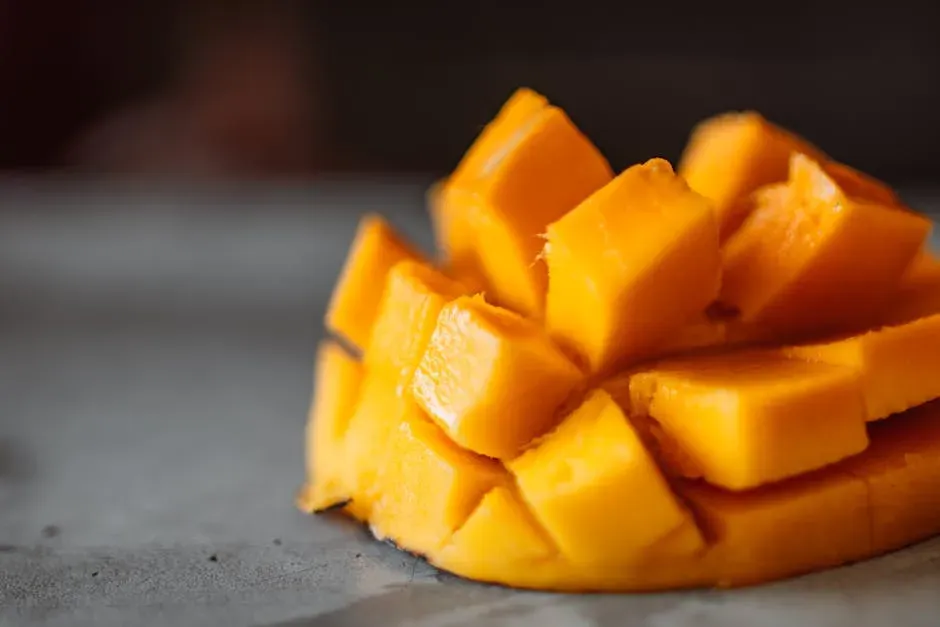
Mango is one of those fruits that feels virtuous. It’s fresh, it’s bright, it tastes like a vacation. Yet the sugar numbers are hard to ignore. A single cup of sliced mango contains about 23 grams of sugar, making it one of the sweeter fruits available.
In terms of its glycemic behavior, mango sits in a tricky middle zone. With a glycemic index value ranging from 41 to 60, mangoes are considered to have a moderate GI, signifying that they may cause a moderate rise in blood sugar levels. The glycemic load per typical serving lands at around 6, which is relatively manageable, but that’s only if portion sizes stay small.
Because of the significant sugar content in mangos, eating this fruit by itself may still affect blood sugar levels. Whether you have insulin resistance, are predisposed to type 2 diabetes, or even if you’re someone who is otherwise healthy, eating mangos without another source of fiber or protein can lead to a poor blood glucose response. In other words, it’s not that mango is “bad” – it’s that a large bowl of it on an empty stomach can genuinely set your low-sugar goals back.
The ripeness of the mango and its method of preparation, such as blending or juicing, can potentially affect its glycemic index by altering its fiber content and overall digestibility, thus influencing its impact on blood sugar levels. So a blended mango smoothie? Even more caution required.
2. Grapes – Nature’s Candy Bomb
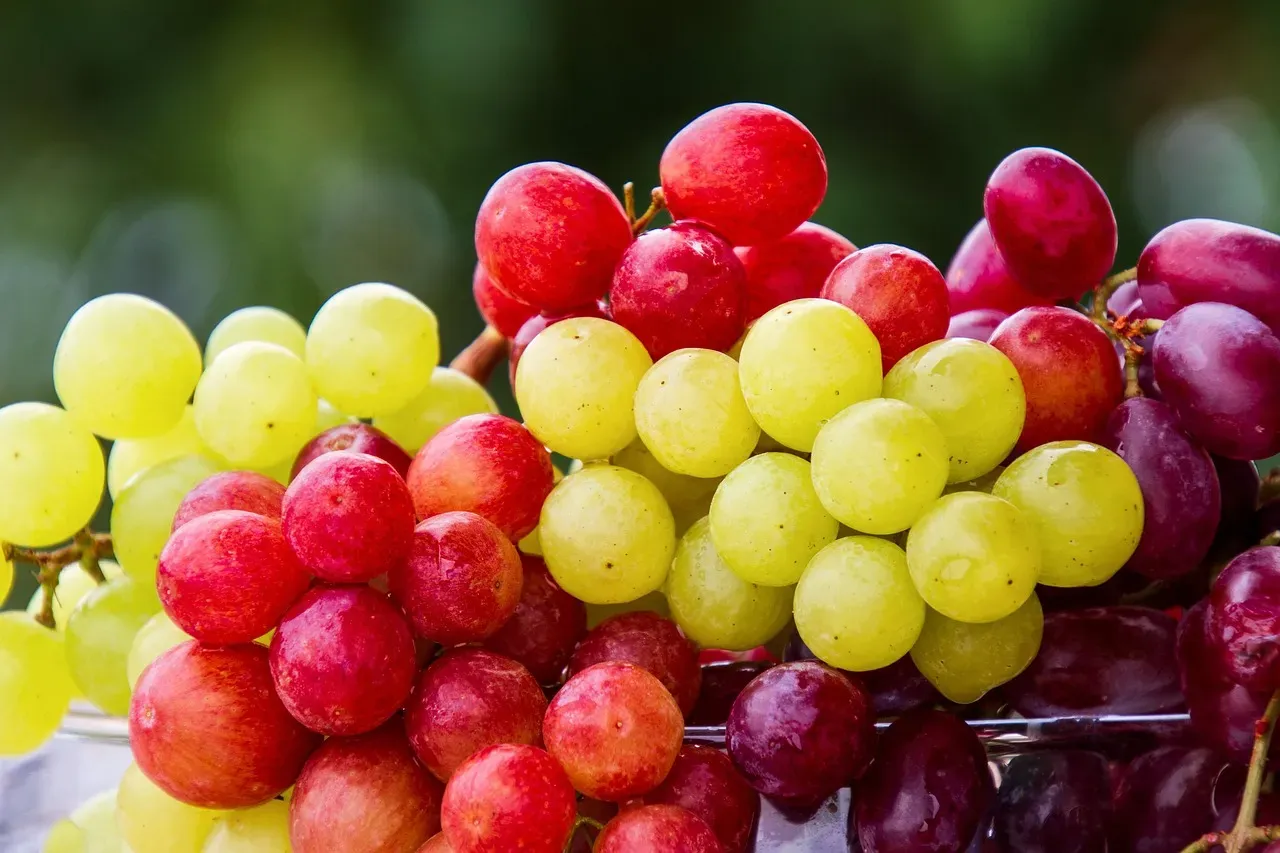
Grapes are dangerously easy to overeat. Think about it – you grab a cluster and before you know it, you’ve eaten thirty of them without a second thought. That compulsive snacking behavior is a real problem here. Grapes are a convenient and tasty fruit, but they are also high in natural sugars. Each grape contains a small amount of fructose, which can add up quickly, especially when you consume them by the handful. The sugars in grapes are easily and rapidly absorbed into the bloodstream, which can lead to swift increases in blood sugar levels.
This rapid absorption occurs because grapes lack significant fiber content to slow down the digestion and absorption process. Unlike many other fruits, where fiber acts as a buffer against sugar spikes, grapes offer relatively little in that department. Grapes provide fiber and many other healthy nutrients, like antioxidants. They have a moderate GI score of about 56. A score of 56 lands them firmly in the medium glycemic range, which is something low-sugar dieters genuinely need to keep in mind.
3. Bananas – The Ripeness Dilemma
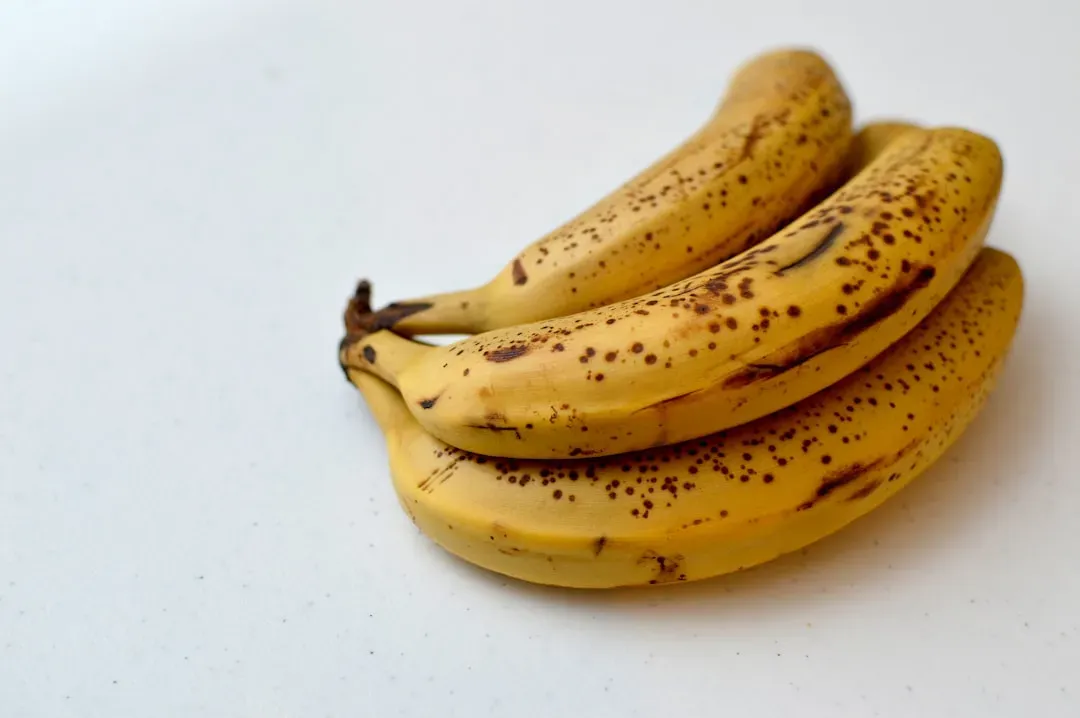
Few foods live as “healthy” a public image as the banana. Athletes eat them, kids love them, and fitness influencers pose with them. The problem is that a ripe banana is not the same metabolic event as an unripe one. Ripe bananas are among the most commonly consumed fruits, yet they contain around 12 grams of sugar per 100 grams. As they ripen, starches convert into sugars – mostly glucose and fructose – making them very sweet and rapidly digestible.
The riper the fruit, the higher its GI. For example, a brown banana has a higher GI than a green banana, so it impacts blood sugar more. This is a fascinating and often overlooked detail – the exact same fruit can behave very differently depending on how long it’s been sitting on your counter. Brown and overripe bananas are classified as high glycemic index foods, while yellow and ripe bananas fall into the medium GI range.
If you enjoy bananas and don’t want to give them up entirely, there is a practical workaround. Adding some nut butter to the banana, eating just half at a time, or choosing a less-ripe banana are all ways to help minimize its effect on your blood sugar. Honestly, choosing a greener banana over a spotty brown one might be one of the easiest dietary tweaks you can make.
4. Dried Fruit – The Hidden Sugar Landmine
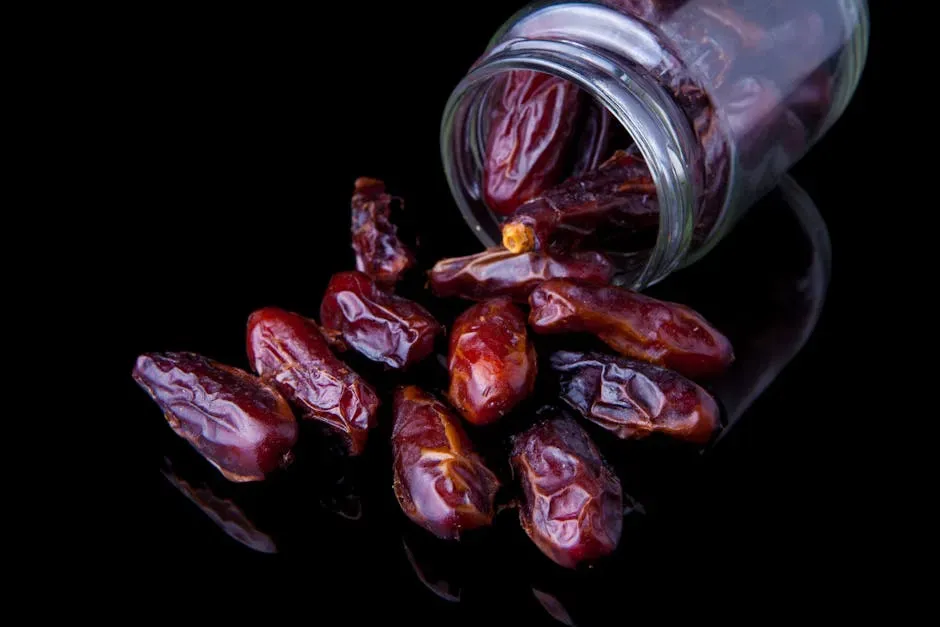
Here’s where things get genuinely alarming for anyone on a low-sugar diet. Dried fruit looks small and innocent. A little bag of raisins, a handful of apricots, a couple of dates – how much sugar could that really be? The answer is: a lot. Dried fruits have the highest sugar content of all fruits. That’s because the water is removed, concentrating the natural sugars.
The numbers become startling when you look at them concretely. When you pick up a raisin, you’re holding something that contains 59 grams of sugar per 100 grams. You’re also looking at an unfavorable GI score for the shriveled snacks, upwards of 64. For comparison, that’s a dramatic leap from the roughly 17 grams of sugar in 100 grams of fresh grapes.
By drying grapes and turning them into raisins, the glycemic load jumps significantly for a smaller portion size. You could estimate that turning grapes into raisins increases the sugar content per gram by about five times. The lesson here is clear – if you’re watching your sugar intake, dried fruit deserves the same careful scrutiny as any processed snack. Dried fruits are concentrated sources of sugars, and people may need smaller servings, by weight, of dried fruit to consume the same amount of sugar as fresh fruit alternatives.
5. Pineapple – The Tropical Sweetener in Disguise
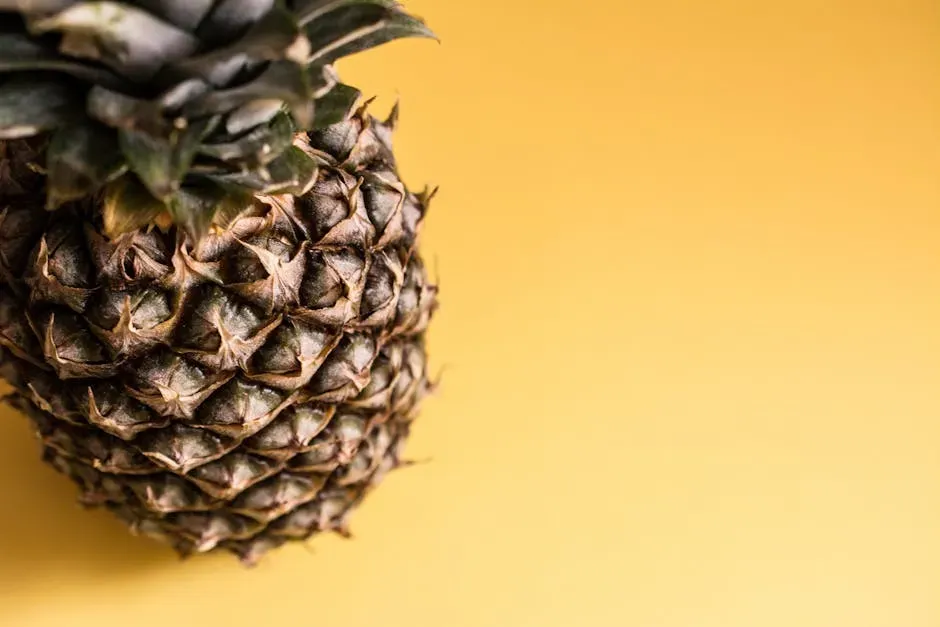
Pineapple gets a bit of a nutritional halo because it contains bromelain, an enzyme with anti-inflammatory properties, and it’s rich in vitamin C. Those benefits are real. However, for anyone serious about a low-sugar lifestyle, pineapple’s sugar profile is worth understanding clearly. Pineapples are tropical fruits rich in vitamin C and bromelain, but they contain about 10 grams of sugar per 100 grams.
Pineapple is classified as a medium glycemic index fruit, placing it in the same category as lychee, figs, dried cranberries, raisins, and grapes. Medium GI doesn’t mean catastrophic for everyone, but for someone strictly limiting sugar, it means pineapple needs portion discipline. A single thick slice is very different from half a pineapple eaten over a movie.
Fruits are a convenient and natural source of carbohydrates that can rapidly affect blood sugar levels and the glycemic index. The GI plays a crucial role in the management of chronic diseases, including diabetes, obesity, hyperglycemia, and diet-related illnesses. That’s a useful framing – pineapple is a food that sits on the right side of the line only when consumed carefully.
6. Watermelon – High GI, Sneaky Spike
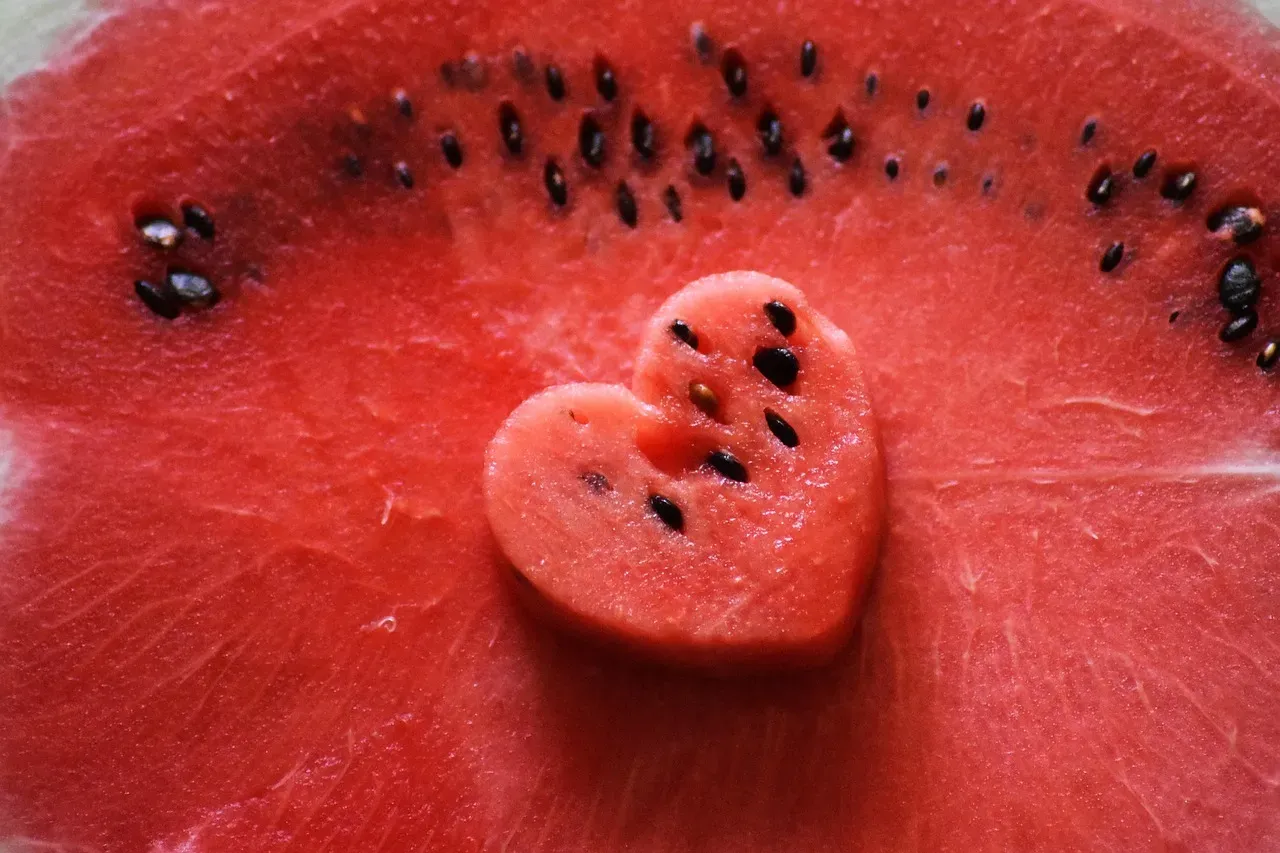
Watermelon has a genuinely confusing nutritional reputation. On the surface, it seems light and innocent – it’s largely water, after all. Yet its glycemic index tells a very different story. Watermelon has one of, if not the, highest GI scores of any popular fruit: between 72 and 76. This is due to the melon’s extremely low fiber count for the sweetness it brings.
What makes watermelon especially worth discussing is the distinction between glycemic index and glycemic load. The carbohydrate in watermelon has a high GI. However, there is not a lot of sugar in a serving of watermelon, since most of it is fiber and water. Thus watermelon’s glycemic load is relatively low. In other words, a modest slice is unlikely to derail you. But if you sit down on a hot afternoon and eat three large wedges – the GI score absolutely comes into play.
Even low-GI fruits can cause a blood sugar spike if people eat large portions of them. With watermelon, this is doubly true given its high GI. The takeaway is that watermelon is perhaps more of a portion-control challenge than an outright forbidden fruit on a low-sugar plan. Still, it deserves a spot on this list precisely because so few people suspect it.
7. Lychee – The Exotic High-Sugar Offender
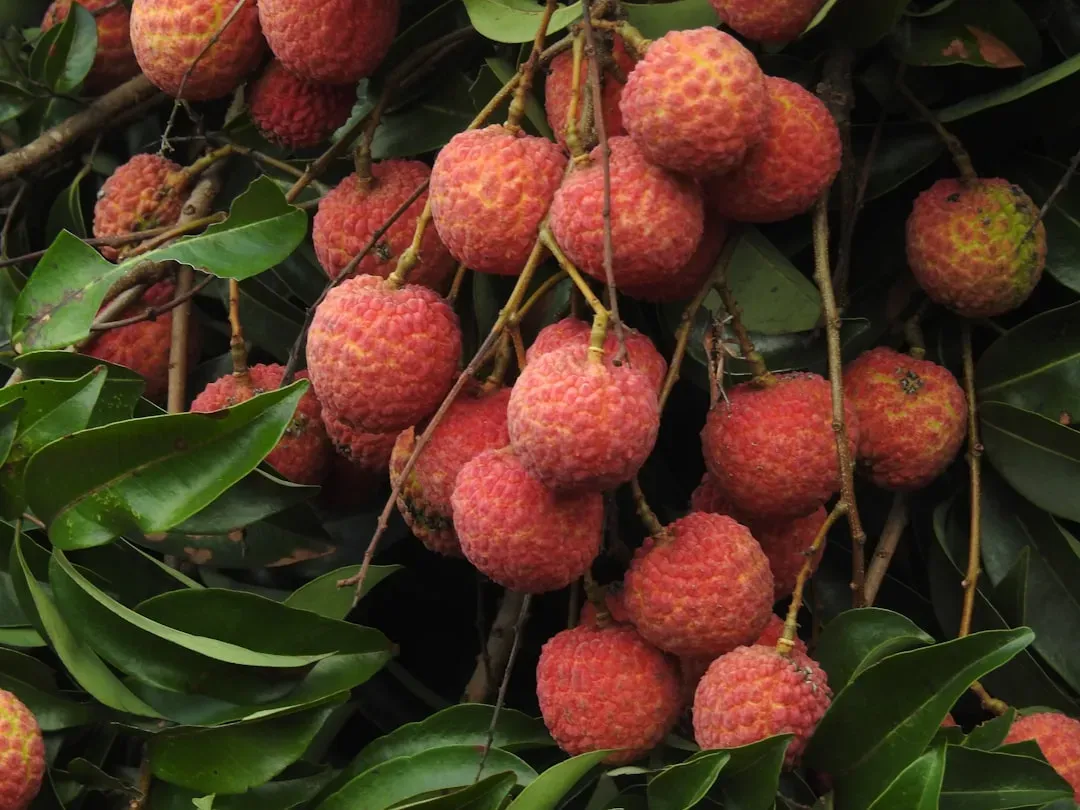
Lychee is less commonly discussed than mango or bananas in sugar conversations, which is honestly part of its danger. It flies under the radar. Yet nutritional data puts it squarely on the list of fresh fruits highest in natural sugar. Fresh fruits high in sugar include dates, ripe bananas, lychees, grapes, and mangos. Lychees sit in notable company there.
Lychee is classified as a medium glycemic index fruit, similar to grapes and pineapple. The problem is compounded by how lychees are often consumed – in large quantities, frequently canned, and often in syrup. Though lychees offer some vitamin C and antioxidants, the sugar concentration outweighs the benefits for those trying to control their blood sugar. Canned lychees, which are often packed in syrup, are even worse and should be completely avoided.
It can be beneficial to eat a single serving of fruit at a time and pair fruit with a source of protein or fat. For example, pairing fruit with Greek yogurt or almond butter can aid blood sugar management. This pairing strategy applies well to lychee – if you enjoy it, keep servings small and combine them with a protein source. That way, your low-sugar goals stay on track without giving up every fruit you love.
The Bigger Picture: Sugar in Fruit Is Not the Enemy

It’s important to close with a clear-eyed perspective here, because the goal of this article was never to make you afraid of fruit. Although naturally occurring sugars in foods like fruit and dairy can be part of a healthy diet, too much added sugar can be harmful to health. The distinction between naturally occurring fructose and refined added sugar genuinely matters.
The sugar in fruit is typically digested slower than refined sugar thanks to the high fiber content in most fruits, which makes it much less likely to trigger large spikes in blood sugar. The fruits on this list aren’t toxic – they simply require awareness, especially for those actively pursuing a low-sugar lifestyle. According to the American Heart Association, healthy adults should aim for less than 36 grams of sugar per day for men and less than 25 grams per day for women. A single large mango or a big bowl of grapes can eat through a meaningful chunk of that daily budget in one sitting.
It is possible to lower the GI impact of a fruit if people eat it along with a protein, fat, or both. Portion awareness, smart food pairing, and understanding your own body’s response to different fruits are the real tools here. Knowledge, not fear, is what makes the difference. What do you think – were any of these fruits a surprise to you? Drop your thoughts in the comments.